Discovering His Cult at Doliche
Ancient Perrhaibia, the region stretching along the southern foothills of Mount Olympus, was through the ages a meeting place of cultures and traditions. Through the recent study by archaeologist Sophia Kravaritou in the journal Tekmeria (2023), the multifaceted cult of Herakles—especially that of Herakles Kynagidas—is brought to light in the city of Doliche.
Where Was Ancient Doliche Located?
• The Question of “Kastri”: Most inscriptions were found at the site of Kastri, built into Christian basilicas. Although this location was formerly thought to relate only to the Late Roman city, more recent research has identified Hellenistic funerary stelai and sculptures at Kastri, indicating continuous habitation from the Hellenistic period onward.
• The Relationship with the Archaeological Site near Sarantaporo: Some researchers place Hellenistic Doliche at the archaeological site of Sarantaporo, where strong fortifications from the 3rd century BC are preserved. It has also been suggested that ancient material may have been transported from there to Kastri during the Byzantine period.
• Perrhaibian Tripolis: Doliche, together with Pythion and Azoros, formed the “Tripolis,” a group of cities closely connected with the Macedonian Kingdom before being incorporated into the Perrhaibian League after 197 BC.
Herakles as a Political and Social Bond
The cult of Herakles at Doliche reflected the political identity of the region.
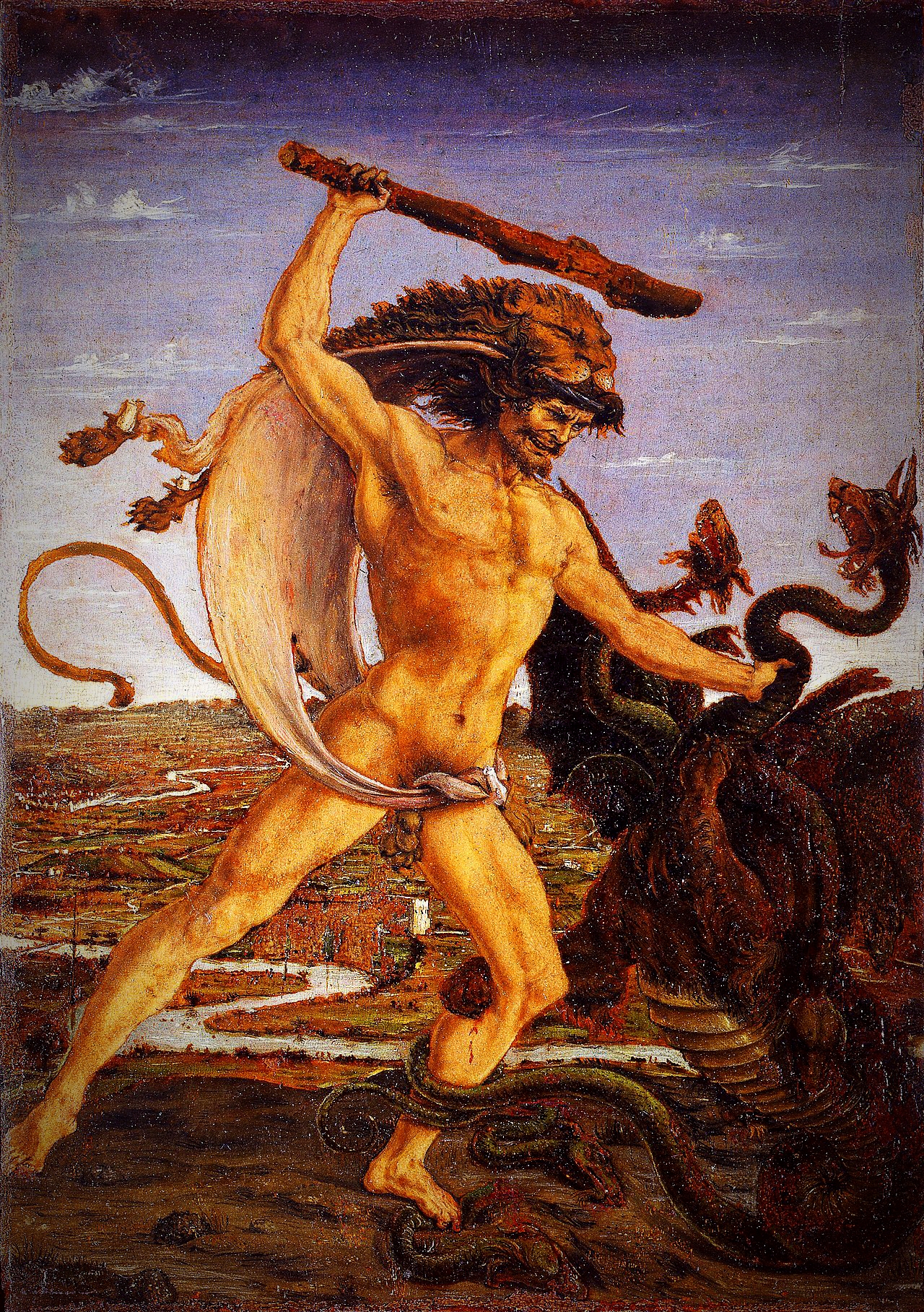
• Herakles Kynagidas (the Hunter): This cult is quintessentially Macedonian, since Herakles was considered the mythical ancestor of the Macedonian dynasty. His presence at Doliche as early as the 4th century BC (dedication of Alexander, Inscription I) demonstrates the early and deep Macedonian influence in Perrhaibia.
• The Sanctuary as an “Most Prominent Place”: At the sanctuary of Herakles in Doliche, Inscription IVb (late 3rd/early 2nd century BC) was set up, containing a decree of proxeny for Euenomos son of Polycleitus, a prominent citizen of Larisa. Lines 8–10 of the inscription explicitly state: “and to inscribe this decree in the sanctuary of Herakles.”
On the same stone stele, beneath inscription IVb, there are traces of an older, heavily worn inscription (IVa) that includes Macedonian royal correspondence of the 3rd century BC. Lines 18–19 of this earlier inscription also refer to a “sanctuary of Herakles.”
• Organization and Social Elite: A unique inscription (II) of the 2nd century BC mentions a priest and two neōkoroi (Antigenes and Seleukos). The institution of the neōkoroi attests to a particularly wealthy and well-organized sanctuary that offered opportunities for social prestige to the local aristocracy.
Protector of Youth and of the “Hunters”
Herakles Kynagidas was inextricably linked with the education of the young:
• Hunting as Initiation: On the wooded slopes of the region (“royal land”), the sons of noble families engaged in royal hunts. This activity, under the protection of Herakles, functioned as a rite of passage marking the transition to adulthood and entry into the body of the king’s hetairoi (companions).
• Model of Virtue: For the ephebes and young soldiers, Herakles was the ultimate model, linking physical training with martial virtue and the maintenance of order in the countryside.
Source: Sophia Kravaritou, “Herakles and Herakles Kynagidas in Magnesia and Perrhaibia,” Tekmeria 17, 2023
 DOLICHE
Σχολιάστε