Doliche is located north of Elassona, at an altitude of 586 meters, and constitutes a settlement with long-standing historical continuity. Its geographical position, combined with the natural relief of the area, has given it particular significance both in the past and in the present.
The toponym “Doliche” is attested as early as antiquity. During the modern period, it underwent phonetic alterations (Toukhlísta, Ntoúkhlísta), a phenomenon common to many Greek settlements; however, it was later restored to its original form, reaffirming the historical continuity and identity of the place.
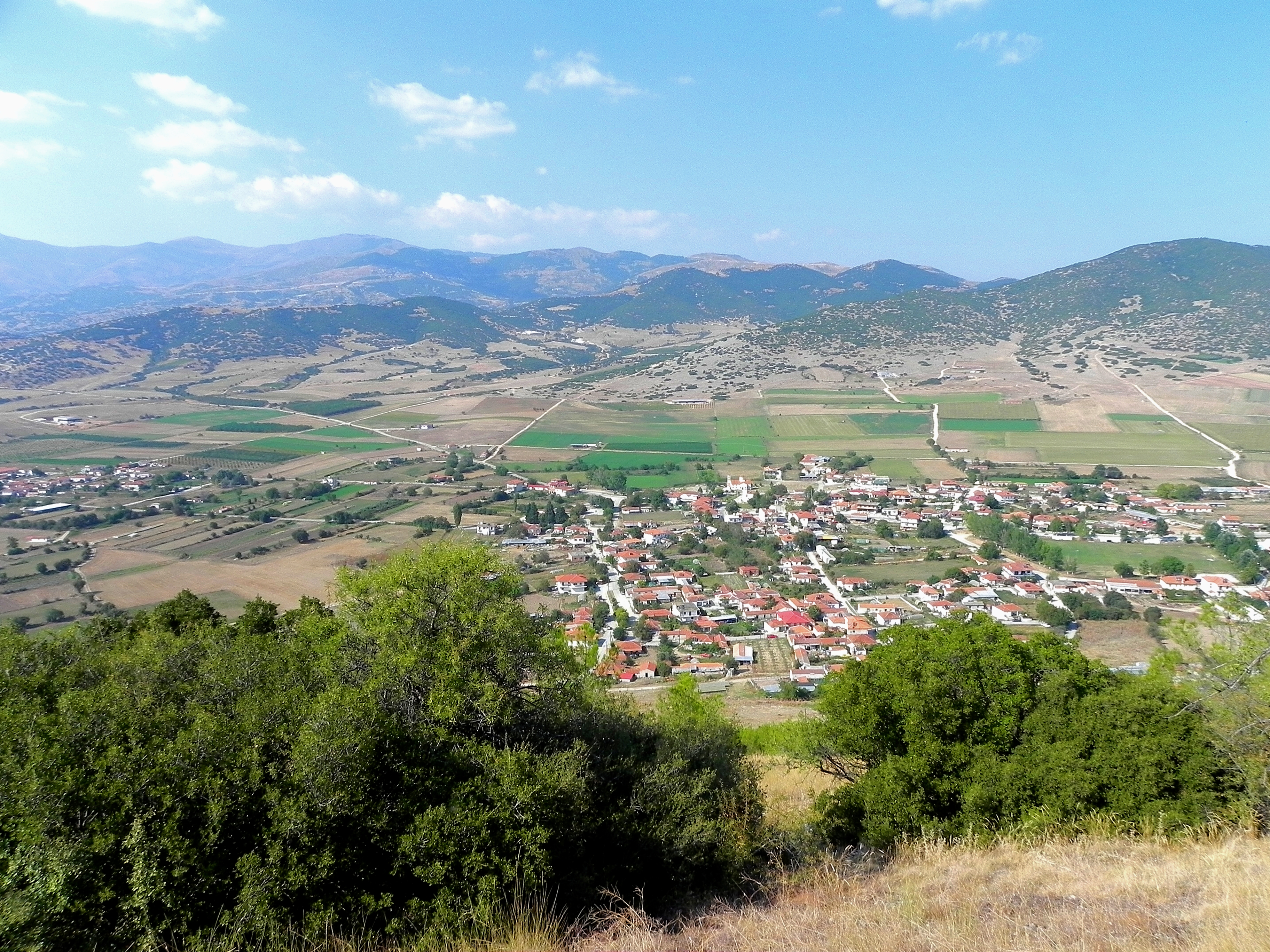
Today, the population numbers approximately 300 inhabitants, the majority of whom are farmers, livestock breeders, and retirees.
The way of life remains simple and functional, a characteristic reflected in the layout of the settlement as well as in the architecture of its residences.
A monument of particular importance is the Church of the Transfiguration of the Savior, which was renovated in 1515 and constitutes a characteristic example of post-Byzantine ecclesiastical architecture.
At the same time, the archaeological site of ancient Doliche, a city of ancient Perrhaebia, has been identified on the Kastri hill, a fact that attests to the significance of the area in antiquity.
The wider area offers extensive views toward northern Thessaly, with direct visual contact with Mount Olympus. Access to the mountain range is easy, as Doliche lies within the peri-Olympic zone. The hill of Prophet Elias, which rises above the settlement, serves as a natural landmark as well as a place of observation and relaxation for residents and visitors alike.
At the same time, the archaeological site of ancient Doliche, a city of ancient Perrhaebia, has been identified on the Kastri hill, a fact that attests to the significance of the area in antiquity.
Within the framework of local cultural life, a prominent role is held by the celebration of the Transfiguration of the Savior on the 5th and 6th of August. The festivities include music, traditional dances, and communal meals, contributing to the preservation of collective memory and the cultural continuity of the community.
 DOLICHE