Olympus as a Visible and Lived Landscape
Mount Olympus rises above Doliche as a constant presence. From antiquity, the inhabitants of the area lived daily with the sight of its peaks, the clouds that enveloped them, and the sudden changes in weather. The mountain was not distant or abstract; it was a landscape that was visible, tangible, and deeply lived.
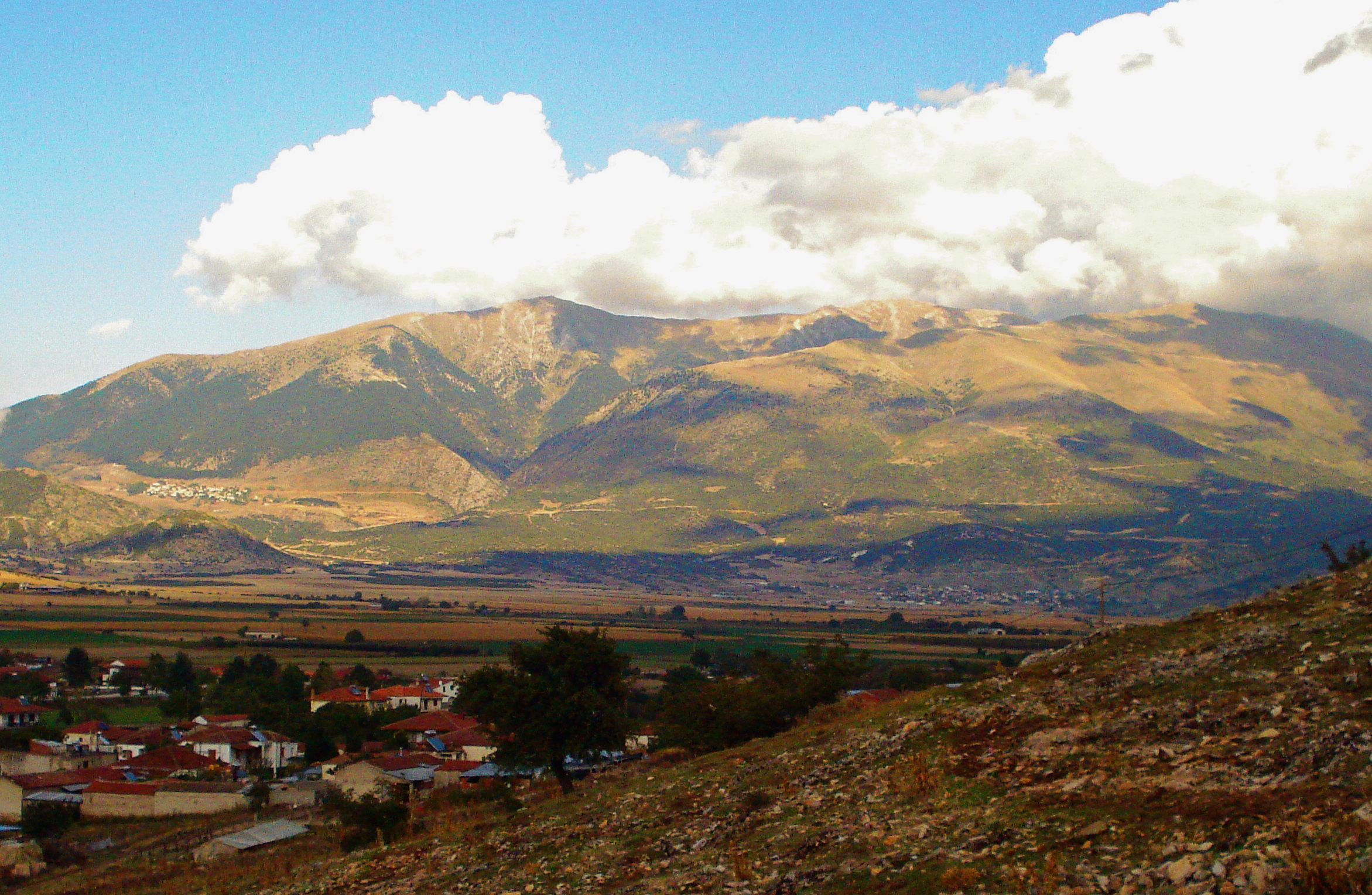
During storms, the lightning that tore through the sky above Olympus was perceived as a divine manifestation, reinforcing the sacred character of the mountain in the collective consciousness of the people of Doliche.
The thunderbolt is the quintessential symbol of Zeus. In ancient Greek thought, lightning and thunder were regarded as direct expressions of his divine power.
In the Land of the Perrhaebi
Doliche belonged geographically and culturally to Perrhaebia, the land of the Perrhaebi, an ancient Thessalian people who inhabited the northern and western foothills of Mount Olympus. For them, Olympus functioned as a natural boundary, a point of orientation, and a sacred place of worship.
Within this shared cultural framework, Doliche took part in a world where myth, religion, and everyday life were inseparably linked. Olympus, the dwelling place of the Twelve Olympian gods, was a real locus of sanctity, inextricably bound to the identity of the region.
The Cult of Aphrodite
Although the archaeological and historical evidence is fragmentary, it reveals a society with a rich spiritual life. Doliche, situated in a strategically important area on the border between Thessaly and Macedonia, was a city where faith, human relationships, and the daily concern for protection and well-being were closely connected to the gods.
The presence of the cult of Aphrodite indicates that even in a place with a strong political and military character, there was room for the search for hope, favor, and balance in human life.
Heracles Kynagidas: God, Hero, and Symbol
A special place in Doliche was held by the cult of Heracles, and in particular that of Heracles Kynagidas. Ancient Perrhaebia, on the southern slopes of Mount Olympus, was a crossroads of cultures and influences, and this cult reflects the strong Macedonian character of the region.
Heracles, the mythical ancestor of the Macedonian dynasty, was worshipped in Doliche as early as the 4th century BC. His sanctuary became a “most distinguished place,” where public decrees and royal correspondence were displayed, directly linking religious worship with political life and the local elite. The presence of a priest and temple attendants attests to a well-organized and flourishing sanctuary that conferred prestige and social prominence.
Heracles Kynagidas was closely associated with the young and their education. On the wooded slopes of the region, hunting also functioned as a ritual of initiation. Under the protection of the hero, young men were prepared for adult life, military virtue, and participation in the social and political order.
Heracles embodied the ideal of strength, courage, and order, linking physical training with moral values and responsibility toward the community.
From Myth to the Present
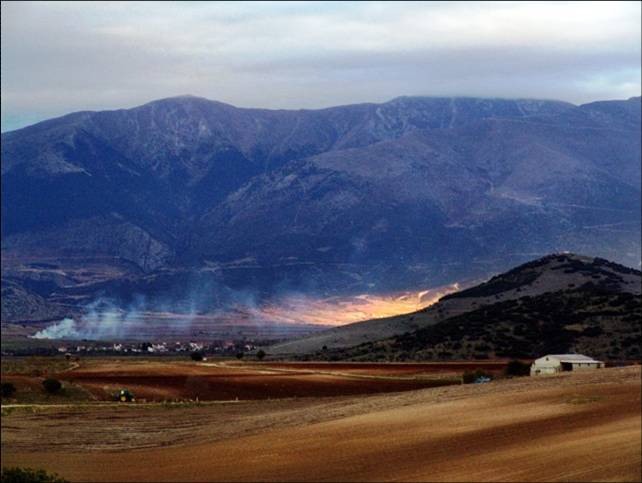
For Doliche, Mount Olympus was always the place where myth met lived reality. Clouds, thunderbolts, and the stories of the conflict between gods and Titans were ways of understanding the world and humanity’s place within it.
Today, Mount Olympus, as a National Park, remains a living monument of nature and culture. For Doliche and the wider region, it continues to function as a symbol of memory, identity, and historical continuity—a timeless bond between landscape, belief, and humanity.
 DOLICHE